Table of Contents
- 2 Whole Eggs or 5 Egg Whites?
- Whole Eggs vs Egg Whites
- For Weight Loss: Choose 5 Egg Whites
- For Muscle Building: Choose 2 Whole Eggs
- Which One Is Better?
- The Hybrid Approach
2 Whole Eggs or 5 Egg Whites: Which Is Better for Weight Loss and Muscle Building?
Eggs are one of the most popular and versatile foods worldwide—an excellent protein source packed with essential vitamins and minerals. Preferences vary: some people eat whole eggs, while others stick to egg whites. The choice is about balancing calorie efficiency with comprehensive nutrition. Although fitness culture long favoured egg whites, modern nutrition often views whole eggs as the better all-around option for most healthy people.
Whole Eggs vs Egg Whites
Whole eggs provide a richer nutritional profile. The yolk holds most of the vitamins, healthy fats, and nutrients—including vitamin D, B vitamins, and choline.
Egg whites are nearly pure protein and lower in calories and fat, making them popular for people focused tightly on muscle building or weight loss.
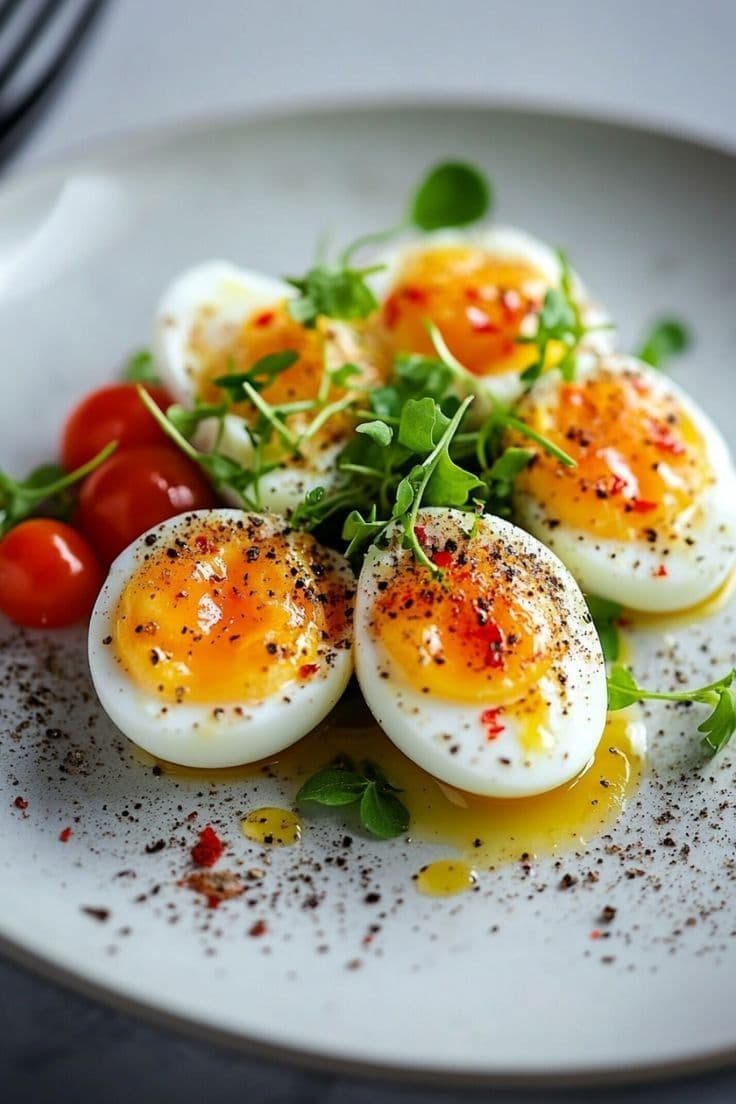
In a direct comparison, two whole eggs provide around 140 calories and roughly 12 grams of high-quality protein, along with healthy fats. Five egg whites offer about 85 calories and around 18 grams of protein.
For Weight Loss: Choose 5 Egg Whites
If your absolute priority is rapid weight loss through strict calorie management, 5 egg whites are often the better option. This helps you stay in a calorie deficit more easily while still getting enough protein to help preserve lean muscle tissue.
For Muscle Building: Choose 2 Whole Eggs
If your primary goal is maximising muscle gain and workout recovery, 2 whole eggs are often better. Healthy fats, micronutrients, and compounds in the yolk can help your body use protein more effectively to build and repair muscle. For satiety and nutritional balance—including healthy fats—2 whole eggs may also feel more satisfying.
Which One Is Better?
Nutritionally, whole eggs are better for most healthy individuals. Skipping the yolk means discarding a large share of the egg’s vitamins, minerals, and some of its total protein value.
While whole eggs are high in cholesterol, modern research has largely challenged the idea that dietary cholesterol in egg yolks significantly raises blood cholesterol or heart disease risk for the average healthy person.
Still, for some people—those with certain heart conditions, cholesterol concerns under medical care, or a very strict calorie deficit—egg whites may be the safer short-term choice. Follow personalised medical advice when relevant.
The Hybrid Approach
You do not have to choose just one. A practical strategy is to combine them: eat 1 whole egg mixed with 3 or 4 egg whites. This creates a high-volume, lower-calorie meal that keeps yolk micronutrients alongside a lean protein boost from the whites.
Ultimately, the decision should align with your nutritional goals, calorie needs, and preferences.
Disclaimer
This article is for general informational purposes only and is not a substitute for professional medical advice, diagnosis, or treatment. Always consult a qualified healthcare professional with questions about a medical condition or before changing your diet or habits.